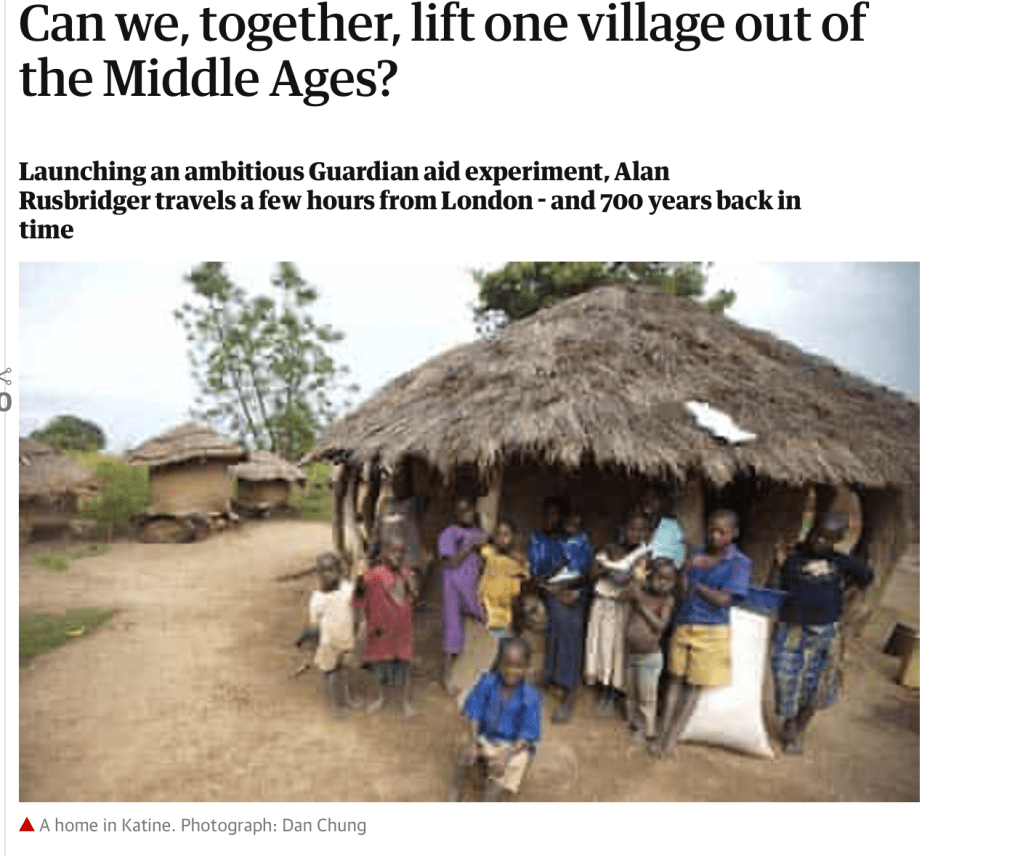
What comes to mind when thinking of Africa?. According to a YouGov survey, when respondents were asked what three words came to mind when they thought of “Africa”, 36% responded with poverty, 24% thought of famine/starvation and 55% responded with both. Compare that with what words you associate with “terrorists” and the responses of George W. Bush or Tony Blair will be considerably low, despite both leaders engaging in an illegal takeover of another country. In this article we will be discussing how the media reaffirms confirmation bias, which has led Africa to be viewed this way, and looking at what has been done to solve this humanitarian crisis
Afro-Pessimism: The Rise and Fall
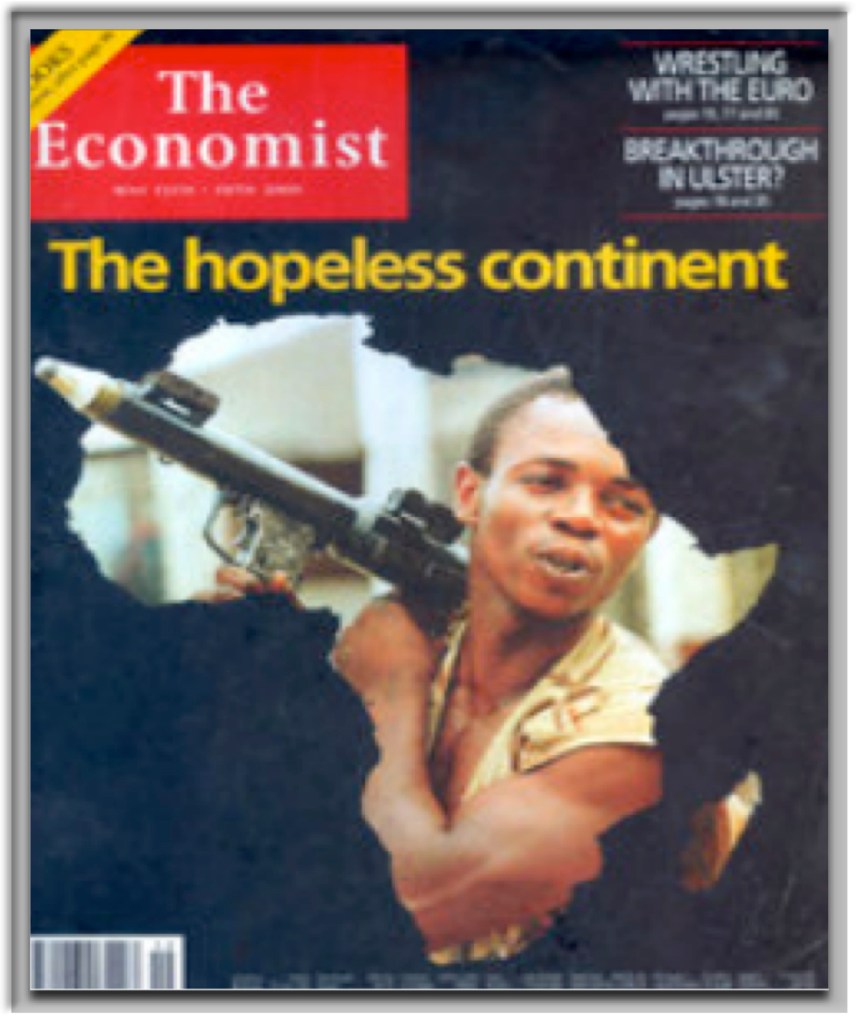
Binyavanga Wainaina article “How to write about Africa” mocks the way western media has depicted African life and culture since the mid-to-late 20th century. In this Article, the main features of writing an article about Africa was to never have pictures of “well-adjusted Africa”, treat Africa as a single country and always include a picture of a starving kid (Binyavanga, 2005). So how did it come to this and has there been anything done to redeem this tragedy. Since the end of the Cold War coverage of Africa has been reduced significantly as western media see no further reason to report matters concerning Africa. There was always an incentive for western media to report on Africa; the move away from colonial rule, the proxy wars during the Cold War (Franks, 2005). However since the end of the Cold War there has been a decline in coverage regarding Africa. This has led to Africa only being reported when there is a “tale of disaster and conflict” (Franks, 2005), which has contributed in the negative perception of Africa. This has resulted to the emergence of dominant themes when reporting of Africa; Corruption, Tribal Wars, Poverty (Mahadeo & McKinney 2007). While some would argue that these reports and opinions of Africa are valid, they’re never fully contextualised. For example, the gross debt of African nations can be pointed at the IMF policy for developing countries to adopt Neo-liberal economic policies, which has led to huge cuts in the public sector and created an even greater dependence for western states. This lack of contextualisation has led the Glasgow University Media Group to claim “the media are engaged in the mass production of social ignorance”. This lack of coverage on African affairs can be highlighted by the fight between Congo and Rwanda, which claimed 3.5million lives, the most in the post-war period or the 6,000 daily deaths of malaria, but for the western media, this was invisible (Franks, 2005). This compared with the recent Coronavirus out-break, which claimed the lives of 2,000, further exposes the flaws in western media.
 Mesuts Blog